call 1300 600 670 contact_support Contact Us

A Technical Review Framework
By Mobiddiction

Technology Consulting Framework
Mobiddiction Framework

A well-planned technology review is one of the fastest ways to uncover real integration value in an acquisition, and it is an area where Mobiddiction brings practical experience and ISO27001 certified Information Management documentation practices. We work with organisations that are joining together and need a clear view of their combined systems, data, tools and operating practices. Our team steps in to map what each company runs today, highlight risks and duplication, and shape a sensible path toward a unified environment that supports the goals of the merger. Because we work across government and enterprise programs every day, we understand the pressures, the regulatory expectations and the need for decisions that balance stability with progress. 

The framework in this document sets out how we approach an M&A technology review and assessment, and how we help you move from two separate structures to a single efficient and secure organisation.


Phases of a Technical Review

These are outlines of the five phases that need to be conducted across all workstreams.

Phases of a Technical Review
Framing and Scoping
Phase 1:

Framing and Scope

Purpose: Decide what “good” looks like before you start pulling systems apart.

Outputs:

  • Deal context: value drivers, synergies expected, non-negotiables.
  • Scope: which regions, business units, systems, data domains and vendors are in.
  • Guard rails: things you will not change in the short term (for example, regulated systems, critical customer facing platforms).

Key decisions:

  • Which integration model are you aiming for: “absorb into buyer”, “best of both”, or “federated with shared services”.
  • Time horizon for fast integration wins versus longer term architecture clean up.
Phase 2:

Rapid Diagnostic

Purpose: Build a baseline view of the combined environment quickly without going too deep.

Typical activities:

  • High level inventory of applications, data stores, integrations, cloud accounts, on-prem sites, major vendors.
  • Snapshot of security posture, privacy obligations and compliance context.
  • Identification of “obvious” duplications: CRM vs CRM, HR system vs HR system, Identity Providers and SSO platforms, analytics tools, monitoring, cloud providers.

Outputs:

  • Heatmap of risk hotspots and obvious consolidation candidates.
  • List of systems that must be stabilised or protected before any change (for example, revenue critical, regulatory reporting).
Rapid Diagnostic
Deep Dive
Phase 3:

Deep Dive by Workstream

Purpose: For the priority areas identified in the diagnostic, do an in depth assessment and map options.

Typical activities:

  • Detailed technical, process and data assessments per workstream (below).
  • Dependency mapping across systems and teams.
  • Identification of economies of scale, licence optimisation opportunities, and process standardisation opportunities.

Outputs:

  • “As is” architecture and process maps for key domains.
  • Options papers: retain A, retain B, hybrid, greenfield, or decommission.
Phase 4:

Consolidation and Standardisation Design

Purpose: Turn analysis into a coherent future state and an integration roadmap.

Typical activities:

  • Define target architecture and target operating model.
  • Design consolidation waves, for example:
    • Wave 1: quick wins and high value low risk consolidations.
    • Wave 2: medium complexity migrations.
    • Wave 3: high complexity / high risk or long tail systems.
  • Build financial model for each major decision (licence reduction, infrastructure consolidation, support model changes).

Outputs:

  • Future state architecture and process blueprints.
  • Prioritised integration roadmap with indicative timelines and cost/benefit.
  • Agreed set of standards and patterns (for example, single cloud provider, single CI/CD toolchain, standard logging and monitoring baseline).
Consolidation
Execution
Phase 5:

Execution and Optimisation

Purpose: Govern and deliver the roadmap, and keep iterating.

Typical activities:

  • Integration program management, change control and risk management.
  • Technical delivery (migrations, decommissions, refactors).
  • Tracking of synergy realisation and process efficiency improvements.

Outputs:

  • Regular benefits tracking report (licence reduction, infra cost, incident reduction, cycle time improvements).
  • Updated standards, runbooks and architectural principles as the merged organisation matures.

Workstreams and What to Look at

Run consistent workstreams across each organisation so you can compare like with like. Each stream should produce current state, issues, options, recommendations and a migration path.

Workstreams and What to Look at
1. 

Audit Overview and Process Landscape

Scope:

  • How IT and digital are governed.
  • Core operational processes: change, incident, problem, release, vendor management, project intake, approvals.

Key questions:

  • How do changes get approved today in each organisation?
  • How are incidents triaged, escalated and reported?
  • Where are the manual workarounds and “shadow IT” processes?
  • What frameworks or standards already exist (ITIL, ISO, SOC, internal control frameworks)?

Consolidation focus:

  • Define a single way of working for change, incident and problem management.
  • Identify duplicated governance forums and approvals that can be collapsed.
  • Standardise templates, runbooks and reporting so teams can be blended gradually.
2. 

Databases and Data Platforms

Scope:

  • Relational databases, data warehouses, data lakes, reporting stores, streaming platforms.

Key questions:

  • What database engines and versions are in use, on which platforms (for example, AWS RDS, on-prem Oracle)?
  • Which hold customer or regulated data?
  • How are backup, restore, high availability and disaster recovery handled?
  • What are the data flows between systems, and where are the main integration choke points?

Consolidation focus:

  • Rationalise engine types and versions to a small, supported set.
  • Consolidate overlapping data platforms where possible, especially analytics stacks.
  • Identify shared data models for core domains such as customer, product and account.
3. 

Security Management

Scope:

  • Identity and access, network security, endpoint protection, vulnerability management, logging and monitoring, security governance.

Key questions:

  • How is access managed in each environment (for example, single sign on vs local accounts)?
  • What tools are used for identity, endpoint security, vulnerability scanning and SIEM?
  • How are security incidents detected, triaged and reported?
  • What certifications or control frameworks are in place?

Consolidation focus:

  • Move towards a single identity strategy across the merged entity.
  • Consolidate overlapping tooling where realistic, for example, one endpoint protection platform, one vulnerability scanner, one central logging and SIEM pattern.
  • Standardise security baselines for cloud accounts, networks and endpoints.
4. 

Privacy and Data Management

Scope:

  • Privacy obligations, consents, retention policies, data classification and handling standards.

Key questions:

  • What privacy laws and contractual obligations apply to each entity and region?
  • How is personal information classified and protected?
  • What are the retention and deletion practices, and are they automated?
  • How are subject access, correction and deletion requests handled?

Consolidation focus:

  • Define a single privacy and data handling standard that meets the strictest applicable obligations.
  • Harmonise retention and deletion rules across systems so you can apply consistent controls when platforms are consolidated.
  • Align cookie, tracking and consent mechanisms across customer-facing systems.
Enterprise Digital Transformation Hero
5. 

Customer Data and Customer Experience Stack

Scope:

  • CRM, marketing automation, CDP, customer portals, support tools, call centre systems, analytics.

Key questions:

  • Where does the “golden” customer record live in each organisation?
  • How many tools are doing similar jobs (for example, multiple CRMs or service desks)?
  • How is customer interaction history captured and used?
  • What integrations exist between customer systems and core platforms such as billing and fulfilment?

Consolidation focus:

  • Decide on a single system of record for customer, or a clear master data management approach.
  • Rationalise overlapping tools, particularly in CRM, marketing and support.
  • Define a target end to end customer data flow to support sales, service and analytics.
6. 

Tech Stack and Tools (Engineering and Delivery)

Scope:

  • Programming languages, frameworks, dev tools, CI/CD pipelines, source control, testing tools, observability tools.

Key questions:

  • What are the primary languages and frameworks used in each organisation?
  • How many different CI/CD and source control platforms are in use?
  • How are code quality, testing and deployments managed?
  • What monitoring, logging and tracing tools are used by engineering teams?

Consolidation focus:

  • Standardise on a small set of core languages and frameworks for new development.
  • Move towards a single source control platform and standard pipeline patterns.
  • Consolidate observability tooling where possible so teams share dashboards and practices.
Enterprise Workplace
Operational Stability
7. 

Systems, Infrastructure and Services

Scope:

  • Cloud providers, on-prem data centres, network topology, workplace devices, collaboration tools.

Key questions:

  • Which cloud providers, regions and accounts are in use?
  • What on-premise assets must remain, and why?
  • How do networking, VPN, firewalls and connectivity differ between organisations?
  • What collaboration and productivity suites are in use (for example, Microsoft 365 vs Google Workspace)?

Consolidation focus:

  • Decide on target cloud and hosting strategy, including preferred regions and landing zone patterns.
  • Plan migration and decommissioning waves for legacy environments.
  • Rationalise collaboration tools to reduce duplication and improve cross-organisation communication.
8. 

Vendor and SaaS Portfolio

Scope:

  • All major technology vendors, SaaS subscriptions, support contracts and managed services.

Key questions:

  • Where are there duplicate vendors or tools providing similar capabilities?
  • What are the contract terms, renewals and exit conditions?
  • Which vendors are strategically important or tightly integrated?
  • Are there volume or enterprise agreement opportunities in the combined spend?

Consolidation focus:

  • Use combined purchasing power to negotiate better terms and support models.
  • Retire redundant tools and subscriptions.
  • Standardise vendor governance and performance management.
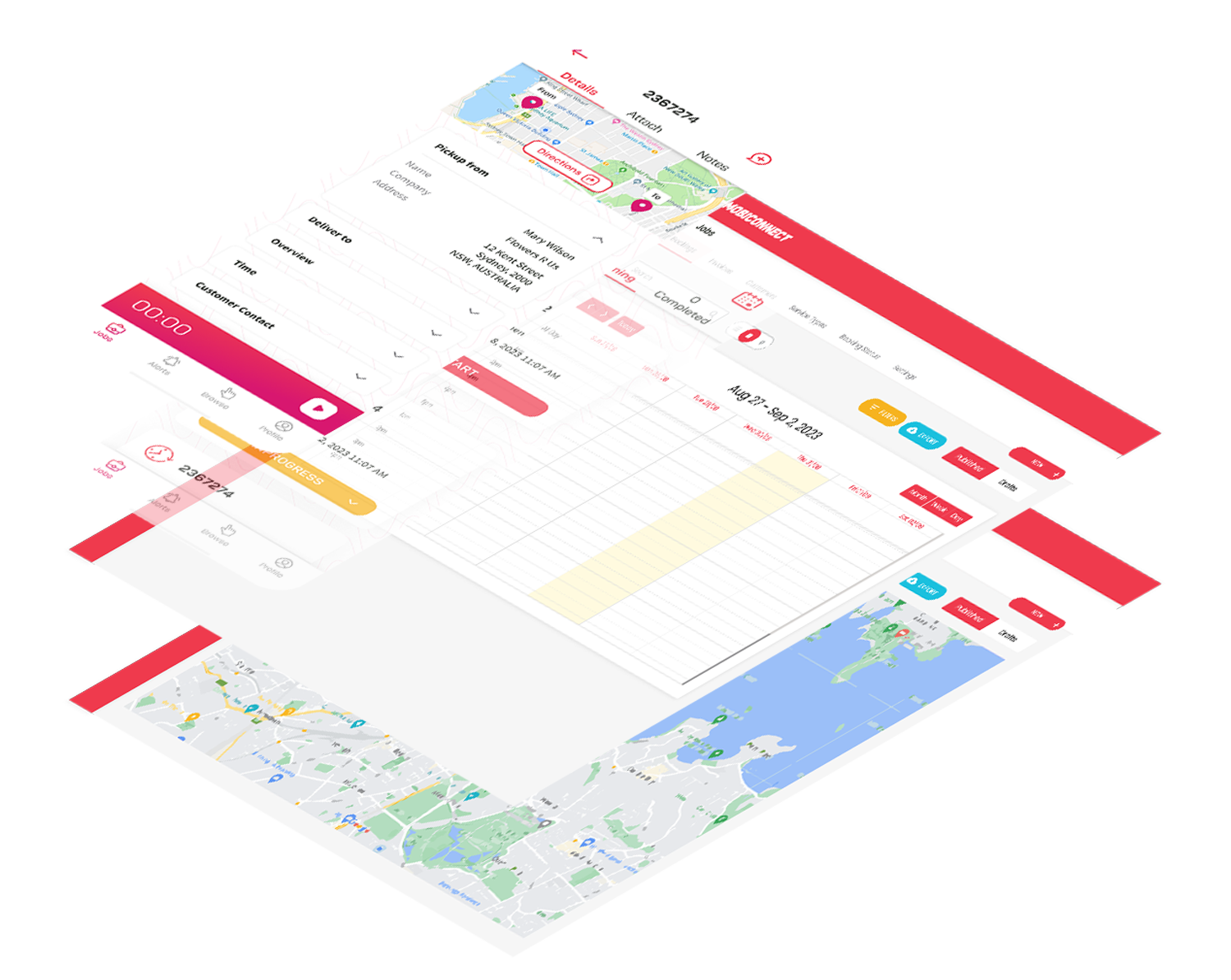
Working with Government Mobiconnect
Job Management software

Decision and Prioritisation Framework

To make consolidation and standardisation choices, give each candidate decision a simple, consistent score across a few dimensions:

  • Strategic fit: does the option support the deal thesis and future operating model.
  • Cost impact: one off cost, ongoing run cost, licence and support impact.
  • Risk: security, privacy, compliance, operational risk of change.
  • Complexity: technical complexity, dependencies, data migration effort.
  • Time to value: how quickly benefits are realised.
  • Experience impact: effect on customers and staff.

For each overlapping system, platform or process, evaluate the main options with that lens:

  • Keep company A’s solution and retire B.
  • Keep B and retire A.
  • Integrate and run both for a defined period with a clear exit plan.
  • Replace both with a new shared solution if the existing ones are not viable.

Feed those results into the phase 4 roadmap so the integration program is explicitly aimed at consolidation, standardisation and economies of scale, not just wiring systems together.

In Summary

Bringing two or more organisations together is never just a technical exercise. It requires careful judgment, a clear view of the risks and a practical plan that teams can follow without disrupting day to day operations. 

Mobiddiction’s approach is designed to give you that confidence. We focus on the decisions that matter, the systems that carry the most value and the changes that deliver meaningful efficiencies. By the time you reach the end of this framework, you will have a clear picture of what needs to be consolidated, what should be protected and how to move toward a stable, unified environment at a pace that suits the business.

If you are preparing for an acquisition, merging with a partner or reviewing your technology landscape after a deal, now is the right time to start the assessment. 

Get in touch with us via contactus@mobiddiction.com.au and we can help you map your current position, identify the integration priorities and build a roadmap that supports both operational stability and long-term growth

Enterprise Workplace
Vanta_Compliance_ISO 27001_Ilma-Mobiddiction-ISO27001-Compliance

About Mobiddiction Pty Ltd

Mobiddiction is a 100% Australian-owned technology and consulting firm, delivering end-to-end enterprise solutions for Government and large-scale organisations. With a foundation in long-term program leadership and deeply technical ICT implementation, we have over a decade of experience managing complex, mission-critical initiatives in highly regulated and security-sensitive environments.

Operating under ISO-certified governance and industry-leading operational frameworks, we provide comprehensive enterprise capabilities spanning systems architecture, secure infrastructure, cloud and hybrid deployments, enterprise integrations, and full lifecycle management. Our methodology ensures regulatory compliance, operational resilience, and sustainable scalability for evolving business needs.

By integrating strategic advisory with hands-on technical execution, Mobiddiction enables organisations to navigate complex digital transformation programs with confidence, precision, and measurable outcomes, reflecting the scale, maturity, and capability of a global-grade technology and services partner.

Why Mobiddiction?

Proven Enterprise Systems Integration Experience

Over a decade of successfully aligning complex enterprise systems, data architectures, and operations for Government and Enterprise clients – delivering the technical depth required to integrate acquired entities and realise post-merger synergies across diverse business environments.

ISO27001 Compliant Integration Framework

ISO27001 certified processes ensure your M&A data consolidation, system migrations, and integration activities maintain the highest security standards – protecting sensitive information and ensuring business continuity throughout the transition period.

AI-Powered Integration Assessment & Opportunity Identification

Our AI-backed diagnostic capabilities rapidly analyse your combined technology landscape to identify integration priorities, uncover hidden synergies and pinpoint specific areas where automation and AI can accelerate value realisation – tailored to your unique business context and industry requirements.

Business-Centric Integration Strategy

We don’t just integrate systems – we assess where and how technology consolidation applies to your specific business model, operational workflows, and value drivers. Our approach identifies practical integration opportunities that align with your deal thesis and commercial objectives.

Full-Spectrum Technical & Strategic Capability

End-to-end expertise spanning integration architecture, data migration, API consolidation, platform unification on complicated enterprise software systems – combined with strategic advisory to determine optimal integration depth and sequencing based on your business priorities and risk tolerance.

Future-ready Tech Consulting..

Send us a Message

    Close Menu